

Last Updated: October 25, 2026
Quick Summary
Yes, for most drivers, car seat gap fillers are worth it. A pair costs less than a tank of gas and stops small items from sliding between the front seat and center console, but only if you measure your gap first and pick the right type for how you use your car.
- Our two-piece PU organizer costs $16.99 and the single leather organizer is $19.99, both one-time purchases with no installation cost.
- The break-even test: a $16.99 filler pays for itself by preventing one $20 replacement card or one 10-minute delay per year.
- Measure the widest point of the gap at your normal driving position before ordering, since fit varies by vehicle.
- Installation takes seconds with no tools or adhesives: slide the insert into the seam and press it down until flush.
- Skip a filler if your gap is too narrow, your buckle position is awkward, or you rarely carry loose items within reach.
Table of Contents
- Are Car Seat Gap Fillers Worth It? The Short Answer
- What a Gap Filler Actually Does (and What It Doesn't)
- The Cost-Benefit Case: Price vs. Dropped Items
- How to Find the Best Car Seat Gap Filler for Your Vehicle
- Drop Stop Car Seat Gap Filler Review: What the Hype Gets Right
- Car Seat Gap Filler Installation: Fit, Buckle Access, and Seat Movement
- Car Seat Gap Filler Alternatives and When to Skip One
- Pick Your Filler and Close the Gap for Good
- Frequently Asked Questions
Are Car Seat Gap Fillers Worth It? The Short Answer
Yes, for most drivers, car seat gap fillers are worth it. A pair costs less than a tank of gas and stops the small items that slide between the front seat and center console from disappearing under your feet mid-drive. At Ride and Roam Co, we sell these organizers, so treat this as a straight answer rather than a sales pitch. The honest version: they solve a real annoyance, but only if you measure your gap first and pick the right type for how you use your car.
The 2 piece Car Seat Gap Filler Organizer is the simplest place to start if you want to see what the product actually looks like before deciding.

What a Gap Filler Actually Does (and What It Doesn't)
A car seat gap filler is a slim insert that sits in the seam between your seat and the center console, blocking the narrow opening where phones, coins, keys, and wallets fall through. It fills the gap and, in most designs, adds a small storage slot on top.
What it does not do: it won't stop a determined toddler from wedging a toy into the seat rails, and it won't fix a gap that's too narrow for the insert to sit in. A market report from 360iResearch tracking the global gap filler category shows steady demand for these inserts, which tracks with how common the dropped-item problem is.
The core job is simple. Stop items from falling between the seats. Reduce the reach-down distraction that follows. Keep the console area tidy.
The Cost-Benefit Case: Price vs. Dropped Items
Most articles tell you a gap filler is cheaper than a repair and leave it there. That is not a cost-benefit case; it is a slogan.
Start with the price. Our two-piece PU organizer is $16.99, and the single leather organizer is $19.99. Both are one-time purchases with no installation cost. A simple foam filler costs less but offers no storage slot, so it only competes on blocking.
Now estimate the cost of the problem. The relevant costs are not just repair bills. They fall into four buckets:
- Replacement or repair. A cracked phone screen, a lost transit card, or a key fob that needs reprogramming. These are infrequent but expensive when they happen.
- Time and delay. Fishing a wallet out from under the seat at a gas stop, or pulling over to retrieve a phone that slid into the footwell. Even five minutes once a month adds up.
- Distraction risk. Reaching down while driving is the mechanism that turns a dropped item into a collision risk. You cannot put a price on that, but it is the strongest reason to prevent the drop in the first place.
- Tidiness and friction. Coins, keys, and receipts rattling in the footwell are a small but constant irritation. This is a real benefit, just a smaller one.
The break-even test: if the filler costs $16.99 and prevents even one $20 replacement card or one 10-minute delay per year, it has paid for itself.
| Filler Type | Price (CAD) | Best For | Trade-off |
|---|---|---|---|
| Two-piece PU organizer | $16.99 | Most vehicles, front seats | Must measure gap width first |
| Single leather organizer | $19.99 | Matching leather interiors | One piece, one seat |
| Simple foam filler | Varies | Blocking only, no storage | No slot for items |
Who benefits most: rideshare and delivery drivers, parents with kids in the back, and anyone who routinely sets a phone or wallet on the passenger seat.
How to Find the Best Car Seat Gap Filler for Your Vehicle
The best car seat gap filler is the one that fits your specific seat-to-console gap. Fit is the whole game here, and it's where most buyers go wrong.
A 2026 product review roundup recommends checking measurements and reviews before buying, because fit varies by vehicle. We agree, and we say so on every product page.
Measure before you order:
- Slide the seat to your normal driving position
- Measure the widest point of the gap between seat and console
- Check whether your console armrest box sits close enough to block installation
- Note your seat shape and console width, since both affect snug fit
A common mistake is ordering for looks before checking clearance. If the gap between your seat and the armrest box is too small, the filler simply won't seat. Measure first, then choose color.
For a deeper walkthrough on choosing by vehicle and region, our buying guide covers fit considerations in more detail.
Drop Stop Car Seat Gap Filler Review: What the Hype Gets Right
The Drop Stop car seat gap filler review conversation usually centers on one thing: it's the name most shoppers know. The concept is sound, and the popularity makes sense.
What the hype gets right: the category works. What it glosses over is that fit and material matter more than the brand on the box. Some shoppers want a filler that holds items, not just blocks the gap.
If you want storage rather than pure blocking, a leather organizer with a slot does more. Our Leather Car Seat Gap Organizer is a comparable option in that style, and it's the one we'd point a storage-focused buyer toward.
Car Seat Gap Filler Organizer (2 piece) →

Best for: drivers who want items held, not just blocked. Skip if: your gap is too narrow for any insert to seat properly.
Car Seat Gap Filler Installation: Fit, Buckle Access, and Seat Movement
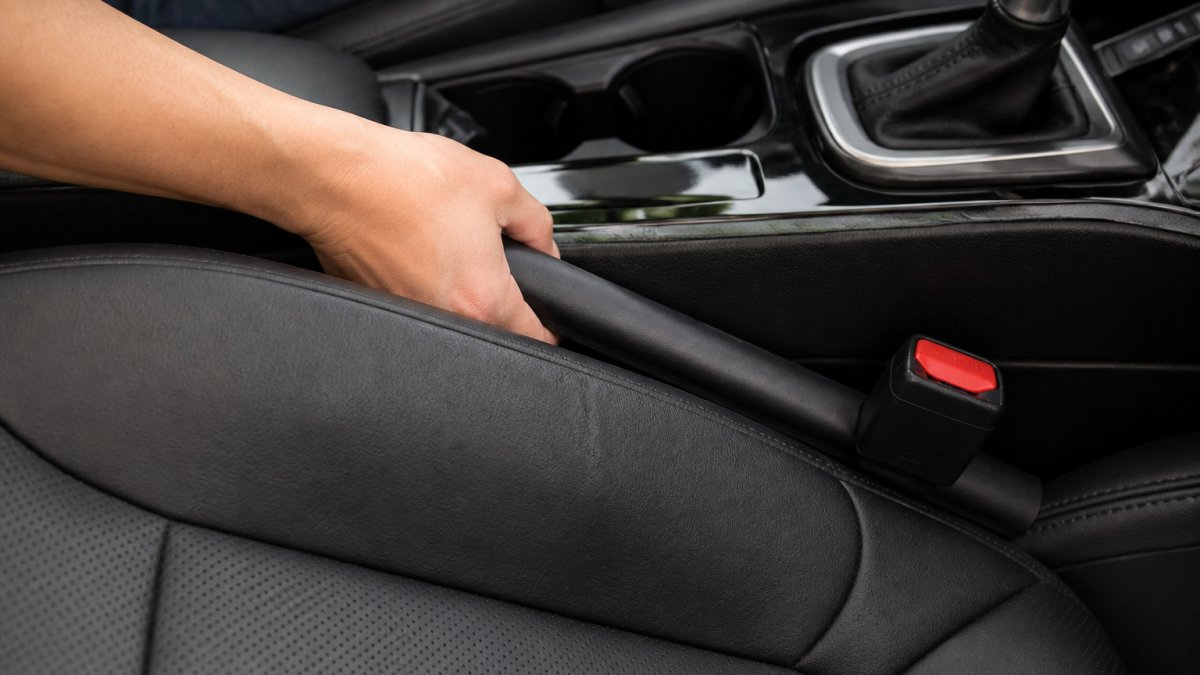
Car seat gap filler installation takes seconds. You slide the insert into the seam, press it down until it sits flush, and you're done. No tools, no adhesives.
Three things to check after installation:
Buckle access. The seat-belt buckle must stay clear. If the filler covers or crowds the buckle, reposition it or trim the fit. Never let an insert interfere with the buckle release.
Seat movement. Slide the seat forward and back through its full range. The filler should stay put without catching or popping out.
Cleaning. Most PU and leather fillers wipe clean with a damp cloth. Pull them out periodically to clear dust and debris from the seam.
Watch out: forcing a filler into a gap that's too tight can crack the insert or scuff the console trim. If it doesn't seat with light pressure, it's the wrong size.
Car Seat Gap Filler Alternatives and When to Skip One
A gap filler is not the only way to solve the dropped-item problem, and for some drivers it is the wrong tool. This section compares the alternatives on the same criteria, fit, coverage, cleaning, storage, and likelihood of shifting, and gives you a decision test for when to skip a filler entirely.
Alternatives compared
- Console-side storage box. Mounts to the console rather than the seam. Better storage capacity and no fit issue with the seat gap, but it does not block the gap itself, so items can still fall through. Cleaning is easy because it lifts out.
- Seat-back organizer. Handles backseat clutter and keeps items within reach of rear passengers. It does nothing for the front seat-to-console gap, so it is a complement, not a substitute.
- Simple habits. Keeping your phone in a pocket or a dash-mounted holder, and your wallet in a bag, removes the item from the risk zone entirely. This costs nothing and works in every vehicle, but it requires consistency.
- Trunk or cargo organizer. Solves larger storage problems but is irrelevant to the front-seat gap.
When to skip a gap filler
Skip a filler if any of these apply:
- Your gap is too narrow. If the seam between seat and console is narrower than the filler's base, the insert will not seat. Forcing it can crack the insert or scuff the console trim. Measure the widest point of the gap at your normal driving position before ordering.
- Your buckle position is awkward. If the seat-belt buckle sits inside or immediately beside the gap, a filler can crowd the buckle release. Check that the buckle stays fully clear and that you can release it without obstruction. If it does not, skip the filler or choose a design that leaves the buckle area open.
- You want storage, not blocking. A console-side box or seat-back organizer may fit your needs better if the goal is holding items rather than closing the gap.
- You rarely carry loose items within reach. If your phone and wallet stay in a pocket or bag, the filler solves a problem you do not have.
The decision test
Measure your gap, check your buckle clearance, and ask whether you have dropped an item in the last month. If the gap is wide enough, the buckle is clear, and you have dropped something recently, a filler is worth it. If any of those three fails, an alternative or a simple habit is the better buy. That test takes two minutes and prevents the most common mistake: buying a filler that does not fit or that interferes with the buckle.
Pick Your Filler and Close the Gap for Good
The gap between your seat and console is small, but it causes real friction every week. Measure it, pick the type that matches how you use your car, and check buckle access before you commit. That's the whole decision.
At Ride and Roam Co, we stock gap organizers in multiple colors and two styles so you can match your interior and your storage needs. Our PU two-piece set resists wear and moisture and snaps in without tools. The leather single organizer adds a storage slot for phones and keys. Both are built for the daily commute and the long road trip alike.
Get started with Ride and Roam Co and close the gap for good.
Frequently Asked Questions
Are car seat gap fillers any good, or just a gimmick?
They solve one specific problem well: stopping phones, coins, keys, and cards from sliding into the gap between the front seat and center console. If dropped items are a regular annoyance on your commute, a filler earns its place. If you rarely drop anything, or your seats sit close to the console with almost no gap, the benefit is small. Check your gap width first, because some vehicles leave too little room for a filler to sit properly.
Do car seat gap fillers fit every vehicle?
No. Fit depends on seat shape, console width, and the size of the opening between them. Ride and Roam Co's Car Seat Gap Filler Organizer is listed as a universal fit for most car seats, but the product notes warn that a very small gap between the seat and the console armrest box can make installation impossible. Measure the gap before buying, and check customer reviews for your model year where you can.
Can a gap filler interfere with the seat-belt buckle or seat adjustment?
It can if the filler is too wide or sits too far forward. The buckle receptacle needs to stay clear so the latch clicks in without obstruction, and power seats need room to slide without dragging the filler out of place. Position the filler behind the buckle line, then move the seat through its full range once to confirm nothing catches. If the filler blocks the buckle, trim or reposition it rather than forcing the seat.
How do you clean a car seat gap filler?
Most PU and leather-style fillers wipe clean with a damp cloth and mild soap, which is enough to lift dust, crumbs, and drink spills. Pull the filler out every few weeks and vacuum the gap underneath, since debris still collects there. Avoid soaking the material or using harsh solvents, and let it dry fully before refitting. A quick wipe at each fuel stop keeps the filler looking new and prevents buildup in the storage slot.
